



Ser/Thr Kinase
Protein Serine-Threonine Kinase
Ser/Thr Kinase belongs to the eukaryotic protein kinase (ePK) superfamily and can use ATP to phosphorylate the hydroxyl group of serine or threonine residues in the kinase recognition amino acid sequence. The widely known anticancer targets in the Ser/Thr Kinase family are protein kinase C (PKC) and cyclin-dependent kinases (CDKs). There are two types of Ser/Thr Kinase: one is a kinase that phosphorylates receptor molecules, i.e., receptor protein serine/threonine kinases, such as activated receptor kinases and transforming growth factor β receptor kinases; the other is a kinase that acts as an intracellular signal transduction protein. The latter can phosphorylate several key targets of multiple signaling pathways and affect a variety of biological functions including growth, differentiation, cell cycle progression, and metabolism. This family contains several different groups of kinases, including (1) the CK group of kinases: casein kinases; (2) the AGC group: the kinases protein kinase A (PKA), protein kinase B (PKB or v-akt murine thymoma viral oncogene homolog 1: AKT1), and protein kinase C (PKC); (3) the CAMK group of kinases: Ca2+/calmodulin-dependent kinases; (4) the CMGC group of kinases: mos/raf kinases, mitogen-activated kinases (MAPKs), cyclin-dependent kinases (CDKs), and glycogen synthase kinases (GSKs); and (5) the STE group of kinases: homologs of yeast sterile kinases 7, 11, and 20 kinases.Ser/Thr Kinase family regulates the glucocorticoid receptor (GR), a nuclear hormone receptor superfamily protein. For example, MAPK, CDK, PKB/AKT1 and GSK3β can phosphorylate GR at specific residues; PKA, AKT1, PKC, MAPK, AMPK and mTOR can additionally phosphorylate other kinases and/or transcriptional cofactors associated with DNA-associated GR to indirectly regulate GR. It is worth mentioning that p38 MAPK in the MAPK family regulates serine phosphorylation of GR through upstream MAP2K2/4, while another JNK inhibits GR transcriptional activity by enhancing the nuclear export of the receptor[1][2].
All Product Categories
-
Ser/Thr Kinase Related Products (51)
Related Products (51)

-
KVS0001
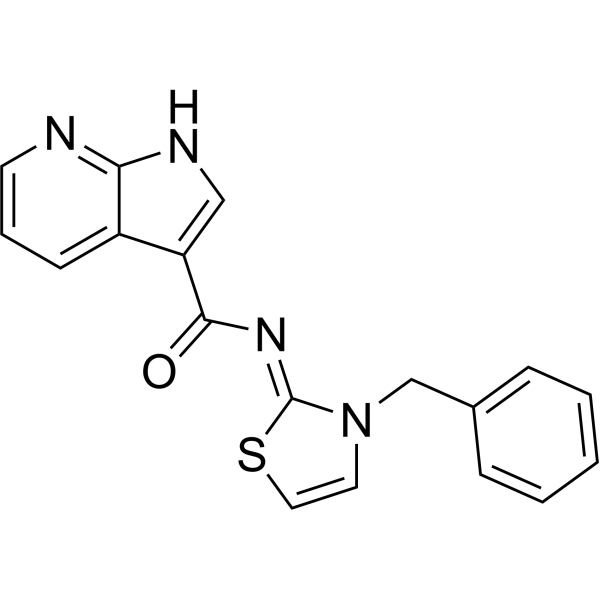
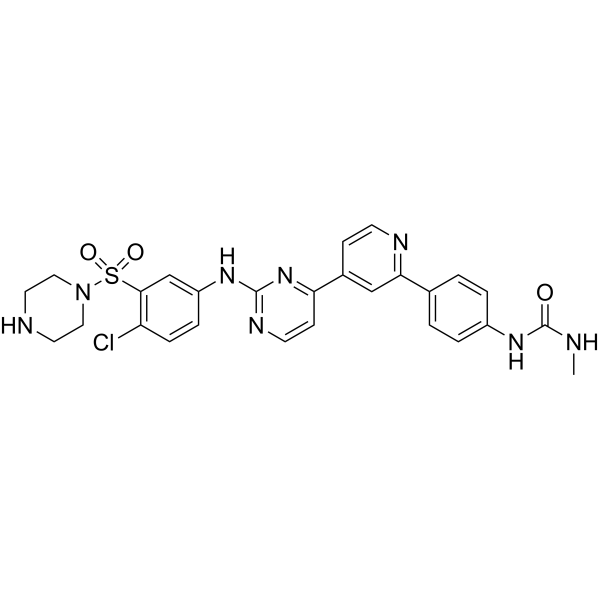 0 ImagesKVS0001 is a selective SMG1 inhibitor. KVS0001 elevates the expression of transcripts and proteins resulting from truncating mutations. KVS0001 increased the presentation of immune-targetable HLA class I-associated peptides from nonsense-mediated decay (NMD)-downregulated proteins on the surface of cancer cells. KVS0001 exerts anti-tumor properties and can be studied in research for NMD-related diseases, including cancer and inherited diseases.
-
Iluzanebart
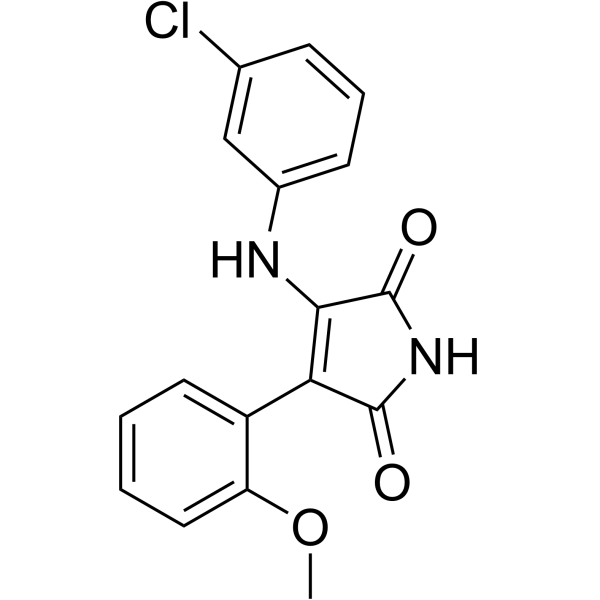
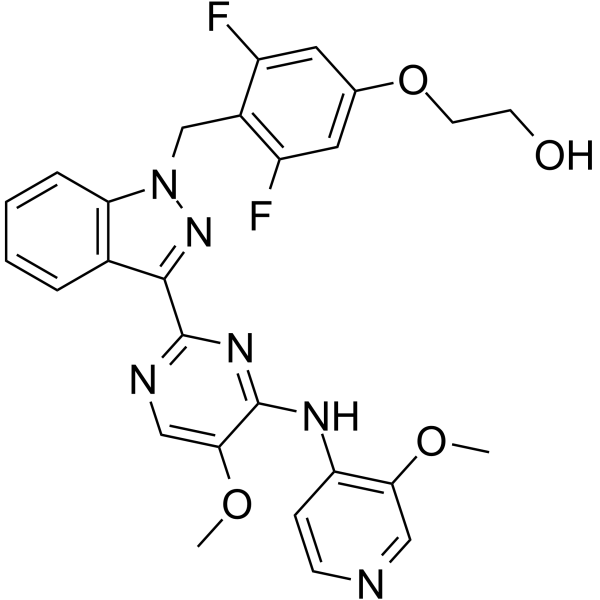
 0 ImagesSynonyms: VGL101Iluzanebart is a human monoclonal IgG1 antibody and is the agonist antibody for human TREM2 (hTREM2). Iluzanebart improves the survival and function of microglia by activating the TREM2 signaling pathway to compensate for the loss of CSF1R function. Iluzanebart can be used for research of adult-onset leukoencephalopathy associated with CSF1R (colony stimulating factor 1 receptor) (CSF1R-ALSP).
-
VU6080195
 0 ImagesCat. No.: HY-181281VU6080195 is a blood-brain barrier-permeable pan-TAOK activator. VU6080195 shows the highest potency against TAOK1 (EC50 = 270 nM), followed by TAOK3 (EC50 = 503 nM) and TAOK2 (EC50 = 1,376 nM). VU6080195 can be used for the research of diseases such as neurodevelopmental disorders, tauopathies and breast cancer.
-
Surbinsertib
 0 ImagesCat. No.: HY-187907CAS No.: 3038330-83-2Synonyms: SGR-3515Surbinsertib is an orally active Ser/Thr kinase inhibitor. Surbinsertib is applicable for cancer research.
-
Mtb against-2
 0 ImagesCat. No.: HY-187107CAS No.: 89781-43-1Mtb against-2 is an (E)-4-oxocrotonic acid derivative that acts as an inhibitor of Mycobacterium tuberculosis protein kinase B (PknB). Mtb against-2 inhibits the growth of Mycobacterium tuberculosis in vitro, with an MIC of 0.82 μg/mL against Mycobacterium tuberculosis H37Rv. Mtb against-2 can be used in tuberculosis-related research.
-
VT02956
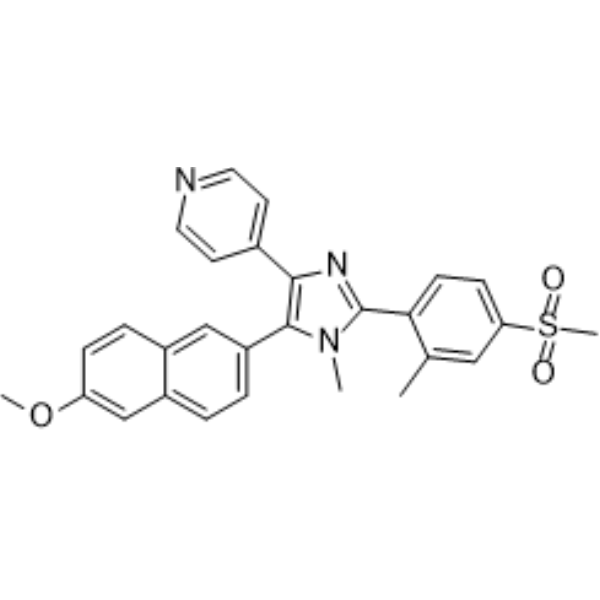
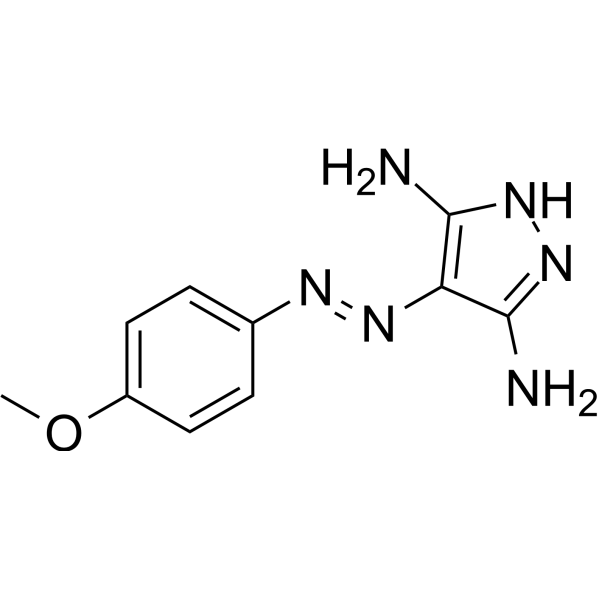
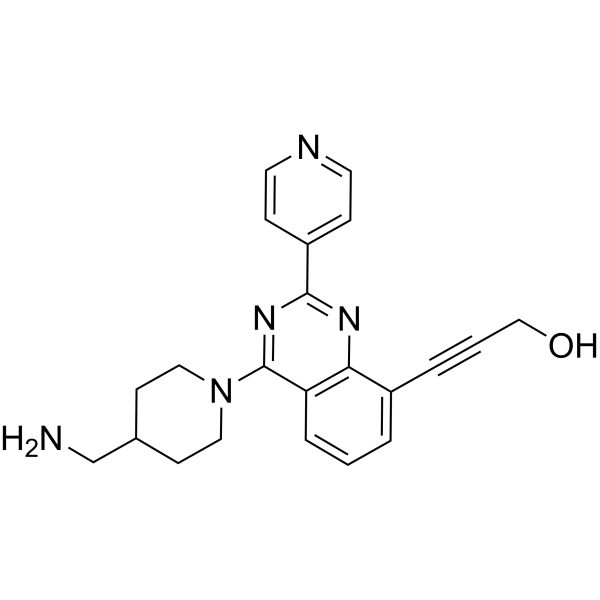 0 ImagesVT02956 is a LATS inhibitor (IC50: 0.76 nM for LATS1, 0.52 nM for LATS2). VT02956 targets the Hippo pathway. VT02956 inhibits ESR1 expression and growth of ER+ breast cancer cell lines and patient-derived tumor organoids. VT02956 is a click chemistry reagent, it contains an Alkyne group and can undergo copper-catalyzed azide-alkyne cycloaddition (CuAAc) with molecules containing Azide groups.
-
NR162
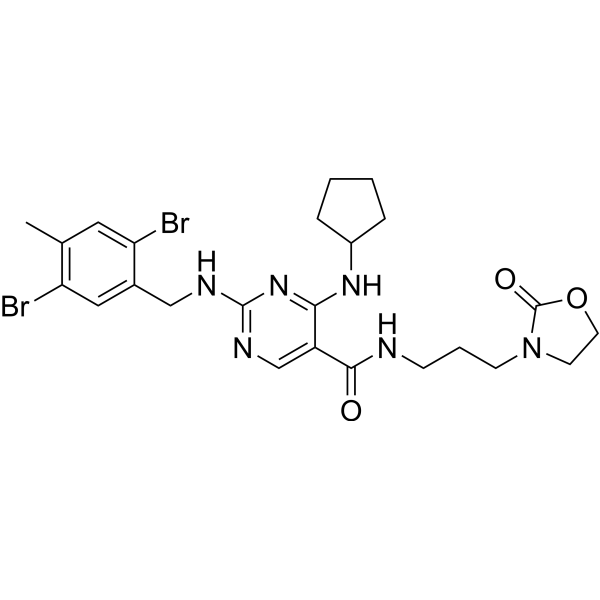 0 ImagesNR162 is a selective CASK (Ca2+/calmodulin-dependent Ser/Thr kinase) inhibitor with an IC50 of 80 nM and a Kd of 22 nM. NR162 shows about 50-fold selectivity for CASK than TYRO3. NR162 targets the unique GFG motif of CASK and has excellent shape complementarity to the CASK ATP binding pocket. NR162 can be used for the research of neurological diseases.
-
BAY-524
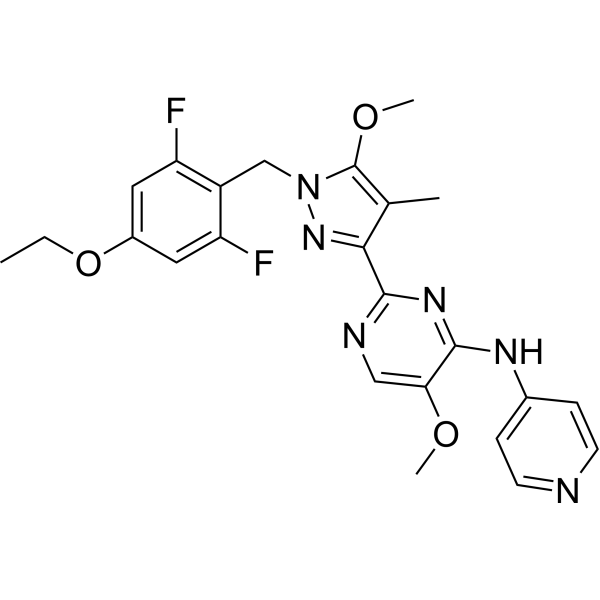 0 ImagesBAY-524 is a potent Bub1 kinase inhibitor. BAY-524 inhibits the recombinant catalytic domain of human Bub1 with an IC50 of 450 nM. BAY-524 can be used for the research of anti-cancer in combination with other agents.
-
Bruceantinol
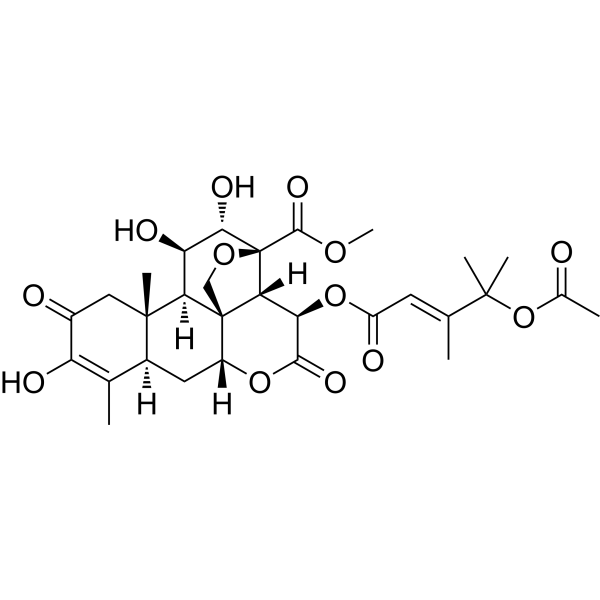 0 ImagesBruceantinol is a quassinoid that can be isolated from Brucea javanica, inhibits pepper mottle virus (PepMoV) in pepper. Bruceantinol is a STAT3 inhibitor demonstrating potent antitumor activity in in vitro and in vivo human colorectal cancer (CRC) models. Bruceantinol has potent anti-leukemic activity. Bruceantinol strongly inhibits STAT3 DNA-binding ability (IC50 = 2.4 pM), blocks the constitutive and IL-6-induced STAT3 activation, and suppresses transcription of MCL-1, PTTG1, survivin and c-Myc. Bruceantinol binds with CDK2/4/6 to facilitate protein degradation through proteasome pathway. Bruceantinol can dose- and time-dependently reduces the cell growth, impede cell proliferation, disrupts the cell cycle, and induces necrosis in MCF-7 cells and apoptosis in MDA-MB-231 cells.
-
LKBtide
 0 ImagesCat. No.: HY-P5435CAS No.: 835653-81-1LKBtide is a biological active peptide. (This is a peptide substrate that is phosphorylated by Serine/Threonine kinase 11 (STK11), also known as LKB1. LKBtide is derived from sucrose non-fermenting 1 (SNF1) protein kinase, which is normally activated by the LKB1/AMP-activated protein kinase (AMPK) signaling pathway.)
-
Baliforsen
 0 ImagesSynonyms: ISIS 598769; IONIS 598769; BIIB 065; ISIS-DMPK-2.5Rx
-
B32B3
 0 ImagesCat. No.: HY-12240CAS No.: 294193-86-5B32B3 is an inhibitor of VprBP with an IC50 value of 0.5 μM at the H2AT120p cell. B32B3 can suppress tumor growth.
-
Protein serine/threonine kinase
 0 ImagesProtein serine/threonine kinase (Ser/Thr protein kinase) is a signal transduction molecule. Protein serine/threonine kinase phosphorylates specific residues on target substrates, regulates phosphorylation-dependent signal cascades, modulates cellular processes of mycobacteria, blocks phagosome-lysosome fusion, promotes meiotic maturation of Xenopus laevis (African clawed frog) oocytes, rescues the phenotype of Saccharomyces cerevisiae (budding yeast) CDC5 mutants, and exhibits cell cycle phase-specific kinase activity. Protein serine/threonine kinase maintains a tightly regulated cell cycle expression pattern, and sustains the growth and survival of mycobacteria. Protein serine/threonine kinase can be used in studies related to tuberculosis.
-
Vibilsertib
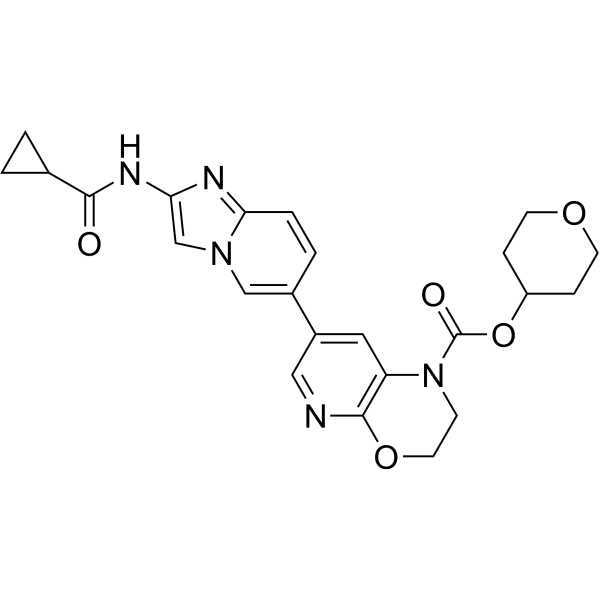 0 ImagesSynonyms: Necrosis inhibitor 2Vibilsertib (Necrosis inhibitor 2) (Compound B19), a serine/threonine kinase inhibitor, is a cell necrosis inhibitor. Vibilsertib can be used to study diseases related to the necrosis pathway, including inflammation, tumors, metabolic diseases and neurodegenerative diseases.
-
PfGSK3/PfPK6-IN-1
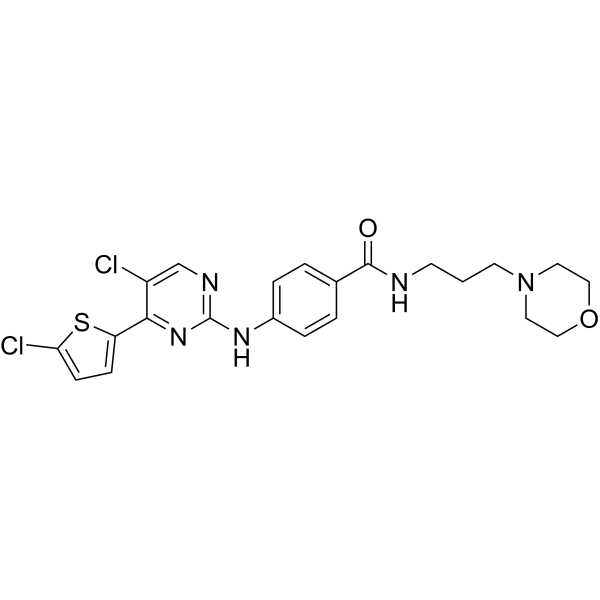 0 ImagesPfGSK3/PfPK6-IN-1 is a dual Plasmodium serine/threonine kinase inhibitor, with an IC50 of 97 nM against PfGSK3 and 8 nM against PfPK6 of Plasmodium falciparum. PfGSK3/PfPK6-IN-1 inhibits the proliferation of blood-stage parasites of Plasmodium falciparum 3D7. PfGSK3/PfPK6-IN-1 shows low cytotoxicity to hepatocytes at a concentration of 200 nM, and reduces cell viability at a concentration of 2 μM. PfGSK3/PfPK6-IN-1 is applicable to malaria-related research.



